
How Long Does Alcohol Stay in Your System? up to 6 Hours
The liver’s processing of alcohol is the centrepiece of this journey and heavily influences how long alcohol remains in the body. Consuming alcohol with a higher alcohol content will result in a higher BAC. For example, wine typically has 12% alcohol by volume, while beer contains 4%.
How Long Does Alcohol Stay In Your System? Detecti…
However, compared to a breath test, saliva tests offer similar convenience and are effective for confirming recent use of alcohol. The half life of alcohol is how long it takes for your body to decrease the alcohol concentration from your system by half generally at a steady rate of one drink per hour. How long you feel the effects of alcohol depends on the amount of alcohol in your bloodstream, which varies from person to how long does alcohol stay in your system person (even from just a beer).
Substance Use vs. Substance Abuse: Understanding the Difference
Consuming alcohol when taking certain medications may cause headaches, dizziness, nausea, vomiting, and fainting. There is also a chance that you can develop internal bleeding, experience difficulty breathing, or even develop heart problems. How long does alcohol stay in your system for a urine test can be determined in 3 different ways. Calls made to numbers made on a specific treatment provider listing or in the description of a treatment center will be routed to that specific treatment provider. Calls to the main National TASC website number will be routed to one of the following treatment providers. When you mix alcohol with juice, soda, or other flavors, it’s called a cocktail.
- The stimulant properties of alcohol can temporarily mask the sedative effects of alcohol, which can lead to a false feeling of sobriety.
- For example, someone who has a BAC Of 0.08, which is when it becomes illegal to drive, will take around 5.5 hours to flush the alcohol out of their body.
- Some people can metabolize alcohol faster, while others take longer to get alcohol out of their system.
- After the alcohol is in your bloodstream it moves throughout the body.
Dr. Deena is a doctor of psychology and licensed clinical social worker since 1993. Dr. Deena has appeared regularly on the Dr. Phil Show as an expert since 2003. She has also been featured on many other TV shows, podcasts and has contributed to written publications as well as podcasts. For questions about alcohol use or to learn more about the programs available, contact us today to start your recovery journey or learn more about our programs. If you or someone you care about is thinking about stopping barbiturates,…
- Enzymes break alcohol into smaller compounds until it eventually leaves the body through urine, sweat, and breath.
- Start your recovery journey with peace of mind, knowing your care is covered.
- Alcohol stays in your system for 6 hours to 90 days, depending on the type of test used.
- Understanding this can provide insight into individual experiences with alcohol and its effects.
Why Detection Windows Vary
This knowledge has become vital, given the prevalence of workplace screenings. Drug and alcohol tests are now standard for many job applications. H-PROOF is a chewable tablet designed to support alcohol metabolism, promote liver health, and boost immunity. It’s the brainchild of Dr. Linda J. Kaplan, MD, who used her medical expertise to create this unique supplement. It’s treated like a poison because it can hurt you if it stays too long. Right after you take a sip, the alcohol quickly moves into your bloodstream through your stomach and small intestine.
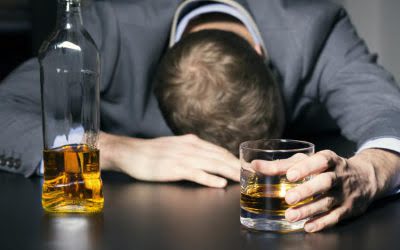
Alcohol stays in the urine for 12 to 72 hours, depending on how recently and how much you drank. It sounds scientific, but working out the time it takes to go from drunk to sober is really more of a numbers game. James Voaklander is the Founder and CEO of Missouri Behavioral Health, bringing over 20 years of leadership experience in healthcare, maritime, business development and consulting. Mothers in Missouri, North Dakota, or elsewhere often wonder if they can drink while breastfeeding. Both the University of Notre Dameand World Health Organizationrecommend zero alcoholwhile breastfeeding, due to its effects on infant nutrition, milk production, and development. These can all affect BAC concentration, and how long alcohollingers in tissue, fluid, and skin.
Find Treatment
The following is an estimated range of times, or detection windows, during which alcohol can be detected by various testing methods. Someone who is quickly drinking one alcoholic drink after another is more likely to experience stronger effects in a shorter amount of time. According to the CDC, women should avoid nursing for 2 to 3 hours for each drink they’ve had. “Pumping and dumping” won’t lower the amount of alcohol in a woman’s breast milk any faster.
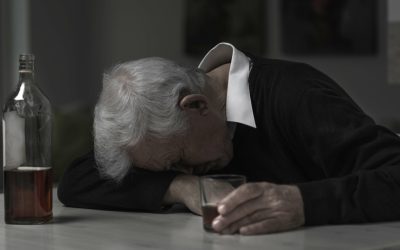
For how long does alcohol stay in the blood?
This rapid change can overwhelm your system, leading to a range of withdrawal symptoms that vary in severity depending on factors like how much and how long you’ve been drinking. Diet, hydration, hormones, medications, and chronic drinking all play a role. This is why what feels like “a normal amount” for Substance abuse someone else might hit you much harder. In spite of many popular beliefs to the contrary, cold showers and drinking lots of coffee or water will not speed up the metabolism of alcohol in your body.
In some cases, it could also be used as a monitoring tool for someone who has alcohol use disorder. How long alcohol can be detected in the body depends on the test used. For example, a blood test can detect alcohol for up to 12 hours, whereas a breath test can detect the substance for 12 to 24 hours. Certain tests can detect well beyond this range but may only be used in cases of excessive alcohol use. For instance, when two bands light up, it indicates a blood alcohol concentration (BAC) between 0.05% and 0.10%. The concentrations of alcohol in the blood and breath are highly correlated, and you can expect to test positive for a breathalyzer test 12 hours after your last drink.
Urine tests can detect alcohol for 12 to 72 hours, especially if special tests are used. The amount of time that alcohol is detectable in urine can be influenced by the quantity and type of alcohol consumed, individual metabolism rates, and the sensitivity of the test used. The presence of alcohol in urine can last longer than in the blood. Alcohol can typically be found in urine for up to 12 to 24 hours after your last drink.